Peace Watch » Editor's Take » Shimla Agreement- A Diplomatic Feat by Abdul Majid Zaragar
Shimla Agreement- A Diplomatic Feat by Abdul Majid Zaragar
SHIMLA AGREEMENT-VICTORY IN WAR & DEFEAT IN DIPLOMACY
By
 Abdul Majid Zargar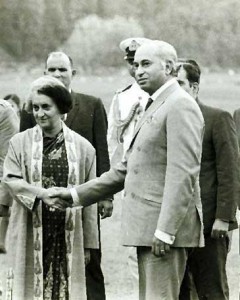
Noted columnist Zahid G. Mohammad has written an incisive article on Shimla agreement reached between India & Pakistan in July 1972 after the latter’s defeat & dismemberment in 1971 war with India. It was published in a local English daily on 6th July 2015 and disseminates much of the information surrounding this international agreement. However, there is still some information on this agreement which is not widely known. My endeavor in this article would be to put this least known information in the wider public domain for a better understanding & analysis of the issue.
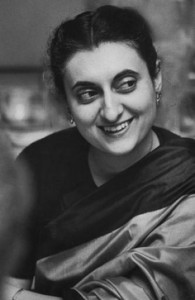
Shimla agreement is probably the first & hopefully the last international agreement which is wrongly dated as July 2nd 1972 while in-fact it was signed in the wee hours of July 3,1972. While much is not known about the gaffe , it is presumed that the agreement was finalized & made ready by Indian side in the evening of July 2nd itself. But Bhutto’s hard-bargain made it to shuttle between two sides many a times resulting in considerable delay. It is already known that at one stage, the hopes of reaching any agreement between the two sides had completely vanished & Pakistani side had even packed its bags to leave. In fact, thinking that the Shimla meet would end in a failure, T.N.Kaul, an important team member from the Indian side left Shimla for Chandigrah in late hours of 2nd July 1972 to make arrangements for return of Bhutto and his daughter Benazir to Pakistan but a late night one-to-one meeting between Bhutoo & Indira Gandhi saved the day for two countries. A leading newspaper, Amrita Bazar Patrika even reported that conference at Shimla had failed.
The agreement consists of six main clauses. Barring clause VI of the agreement all the clauses of the agreement have been discussed & analysed in detail. Clause VI is reproduced below:
“ Both Governments agree that their respective Heads will meet again at a mutually convenient time in the future and that, in the meanwhile, the representatives of the two sides will meet to discuss further the modalities and arrangements for the establishment of a durable peace and normalization of relations, including the questions of repatriation of prisoners of war and civilian internees, a final settlement of Jammu and Kashmir and the resumption of diplomatic relations”
But the fact of the matter is that neither the ‘heads of two Governments ’ nor their ‘representatives’ have ever met in order to arrive at ‘a final settlement’ of the Kashmir issue as required under the above clause. Pakistan did attempt twice to hold such a meeting –first when on 18th December 1972,Bhutto extended an invitation to Indira Gandhi to visit Pakistan. Second when Pakistani prime minister Nawaz Sharif wrote on July 14, 1992 to prime minister Narsimha Rao to hold a summit as required by Simla agreement.
In case of first invitation, Indira thought it unnecessary to hold talks with Pakistan on Kashmir issue after it’s complete mauling in the war and also because talks with Sheikh Abdullah had started in the meantime (P.N. Dhar’s book Indira Gandhi, the ‘Emergency’ and Indian Democracy ).In case of second invitation, it was probably very late to hold such a summit as militancy had already erupted in the valley. In October 1993, US Assisstant secretary of State, Robin Raphel expressed her disappointment over the effectiveness of Shimla agreement because of failure of the concerned parties to carry it forward. Similarly clause 1 of the agreement provides that the two countries resolve to settle their differences by peaceful means through bilateral negotiations or by ‘any other peaceful means’ clearly reserving space for a third party mediation which India has consistently refused to invoke.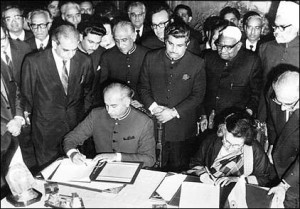
There is no doubt that Shimla agreement was a clear diplomatic defeat of India after a thumping win in the real war. It is so because Bhutto was able to freeze the Kashmir issue to be tackled at a more favorable time in future thus keeping it alive against heavy odds. At Shimla, Bhutoo was asked whether he wanted his 90000+ prisoners of war first or the seized territory of approximately 5000 sq. Miles. Bhutoo preferred the latter. Her young daughter, Benazir accompanying her father on the tour expressed displeasure over the surprise choice of her father. Writing in her autobiography ‘ Daughter of the east’, Benazir says that sensing her anger, the sr. Bhutoo calmed her and said “ the POW’s will be freed in any case. Prisoners are human problem.
 The magnitude is increased when there are 93000 of them. It would be inhuman to keep them indefinitely. And it will also be a problem to keep on feeding and housing them. Territory on the other hand is not a human problem. Territory can be assimilated. Prisoners cannot. The Arabs have still not succeeded in regaining territory lost in the 1967 war with Israel. The capturing of land does not cry out for international attention the same way as the prisoners do.”
Post conclusion , A B Vajpayee, the then leader of the Bharathiya Jana Sangh, described the agreement as a “sell out” and called upon all the parties to demonstrate against it”. His main grouse was Pakistan getting back 5000 sq. miles of territory seized during war & Indira’s inability to force a complete solution of Kashmir issue on Pakistan. When Indira & her spokesmen reported that Bhuttoo had promised verbally to convert LOC into an international boundary, Vajpayee sought a record of all talks between Indira & Bhutoo in Shimla. On 10 April 1978, official spokesman of the External Affairs Ministry clarified that there is nothing on record about these verbal assurances. Ironically Vajpayee was external affairs Minster Of India at that time.
(The author is a practicing chartered Accountant & can be contacted at abdulmajidzargar@gmail.com)


Filed under: Editor's Take
برادرم زرگر صاحب ؛ آپ کے آرٹیکل پر ڈاکٹر مسفر حسن صاحب نے جو تبصرہ لکھا ہے اس کی تاید کرتے ہوے اتنا عرض کرنے کی جسارت کروں گا کہ بدقسمتی سے جموں کشمیر پر خارجی حالات ، غیر ریاستی شخصیات، جماعتیں اور ایجنسیاں مختلف طور طریقوں سے ہمیشہ اثر انداز ہوتے رہے اور ہم جموں کشمیر کے جیتے جاگتے باشعور انسان ان کے مقاصد کی تکمیل کیلیے بار بار استعمال ہوتے رہے۔ دور حاضر میں غیر ریاستی مداخلت اور اثر انداز ہونے کا یہ سلسلہ چالیس کی دہای میں مہاراجہ کشمیر کی طرف سے مہاتما گاندہی کو دودھ کا گلاس پیش کیے جانے سے شروع ہوا ۔ ہر دور میں جموں کشمیر کے تمام منقسم حصوں میں سوسایٹی کے ہر شعبہ سے ضمیر فروشوں کو تلاش کر کے ان کی خرید و فروخت کا سلسلہ مختلف اشکال میں تا ہنوز جاری ہے۔ جو بک نہ سکے انہیں نشان عبرت بنا دیا گیا۔ دونوں حکومتیں جموں کشمیر میں اپنے ناپسندیدہ شخصیات کو پاکستانی ایجنٹ اور بھارتی ایجنٹ کے خطابات سے نوازتی رہی ہیں انہیں پابند سلاسل رکھا جاتا رہا اور پھانسیاں دی جاتی رہیں ، انہی میں سے بعض کو کبھی ہیرو بناتے کبھی زیرو ! 9 اگست 1953 کو ایسے کیا حالات پیدا ہوے کہ جموں کشمیر کے طویل القامت وزیر اعظم جس کا شمار بھارت کے وزیر اعظم پنڈت نہرو کے قریب ترین ذاتی دوستوں میں ہوتا تھا کو گرفتار کیا گیا۔ ہمیں اس حقیقت کو ماننا چاہیے کہ شیخ عبدالہ اور حکومت پاکستان کے مابین رابطوں کی اطلاعات کی تصدیق ہو جانے کے بعد ہی نہرو نے اپنے بااعتماد دوست کی حکومت برطرف کی اور سازش کا مقدمہ قایم کیا۔ اس سلسلے میں مزید تفصیلات جاننے کیلیے آپ میرے فیس بک البم سیکشن میں موجود آرٹیکل پر کلک کریں۔۔۔ 1964 کے شیخ عبدالہ کے دورہ پاکستان پر بھارتی وزیر اعظم کی آمادگی سے ختم ہونے والہ عبدالہ -نہرو ناراضگی کو ایوب عبدالہ دوستی میں تبدیل ہونا اور پنڈت نہرو دل کا دورہ پڑنے سے انتقال کر گے اور شیخ صاحب کا دورہ ادھورے کا ادھورا رہ گیا۔ 1965 کا آپریشن جبرالٹر، فوجی اسٹیبلشمنٹ میں ایوب خان کے بعض فیصلوں پر جرنیلوں کی سطح پر اختلافات ، ستمبر 1965 کی جنگ کا چھڑ جانا ، کشمیریوں پر طرح طرح کے الزامات رکھنا ۔۔۔۔ شملہ معاہدہ ۔۔۔۔ بھٹو شہید کا ایوب خان سے اختلاف۔۔۔ اور 1966 میں مقبول بٹ شہید کا اپنے ساتھیوں ، گلگت کے اورنگ زیب شہید، میجر امان الہ خان مرحوم ،خواجہ مقبول نایک ، غفار رشی، مظفر آباد کے صوبیدار کالا خان اور لیپہ مظفرآباد کے چوہدری یاسین سمیت بھارتی مقبوضہ کشمیر داخل ہونا ۔۔۔۔ ایسے واقعات ہیں جن کی کڑیوں کو ساتھ ساتھ جوڑتے چلا جانا ضروری ہے۔۔۔۔ یہ نکتے ملیں گے تو کچھ کرداروں اور تاریخ کا پتہ چلتا جاے گا ۔۔آج ابھی کچھ کردار زندہ ہیں جو چشم دید واقعات سے آگاہ کر سکتے ہیں ۔۔۔ جب لیاقت علی خان کی حکومت نے اقوام متحدہ میں بھارتی حکومت کے ساتھ معاملہ طے کر کے جنگ بندی کا اعلان کیا تو اس کے ساتھ ہی سازشوں کا ایک لا متناعی سلسلہ شروع ہو گیا ۔۔۔ کشمیریوں کا سیدہا سادا آزادی کا کیس بھارت و پاکستان کے مابین زمین کا تنازعہ بنا دیا گیا ۔۔۔ جاری ہے ۔۔۔۔
برادرم زرگر صاحب ؛ آپ کے آرٹیکل پر ڈاکٹر مسفر حسن صاحب نے جو تبصرہ لکھا ہے اس کی تاید کرتے ہوے اتنا عرض کرنے کی جسارت کروں گا کہ بدقسمتی سے جموں کشمیر پر خارجی حالات ، غیر ریاستی شخصیات، جماعتیں اور ایجنسیاں مختلف طور طریقوں سے ہمیشہ اثر انداز ہوتے رہے اور ہم جموں کشمیر کے جیتے جاگتے باشعور انسان ان کے مقاصد کی تکمیل کیلیے بار بار استعمال ہوتے رہے۔ دور حاضر میں غیر ریاستی مداخلت اور اثر انداز ہونے کا یہ سلسلہ چالیس کی دہای میں مہاراجہ کشمیر کی طرف سے مہاتما گاندہی کو دودھ کا گلاس پیش کیے جانے سے شروع ہوا ۔ ہر دور میں جموں کشمیر کے تمام منقسم حصوں میں سوسایٹی کے ہر شعبہ سے ضمیر فروشوں کو تلاش کر کے ان کی خرید و فروخت کا سلسلہ مختلف اشکال میں تا ہنوز جاری ہے۔ جو بک نہ سکے انہیں نشان عبرت بنا دیا گیا۔ دونوں حکومتیں جموں کشمیر میں اپنے ناپسندیدہ شخصیات کو پاکستانی ایجنٹ اور بھارتی ایجنٹ کے خطابات سے نوازتی رہی ہیں انہیں پابند سلاسل رکھا جاتا رہا اور پھانسیاں دی جاتی رہیں ، انہی میں سے بعض کو کبھی ہیرو بناتے کبھی زیرو ! 9 اگست 1953 کو ایسے کیا حالات پیدا ہوے کہ جموں کشمیر کے طویل القامت وزیر اعظم جس کا شمار بھارت کے وزیر اعظم پنڈت نہرو کے قریب ترین ذاتی دوستوں میں ہوتا تھا کو گرفتار کیا گیا۔ ہمیں اس حقیقت کو ماننا چاہیے کہ شیخ عبدالہ اور حکومت پاکستان کے مابین رابطوں کی اطلاعات کی تصدیق ہو جانے کے بعد ہی نہرو نے اپنے بااعتماد دوست کی حکومت برطرف کی اور سازش کا مقدمہ قایم کیا۔ اس سلسلے میں مزید تفصیلات جاننے کیلیے آپ میرے فیس بک البم سیکشن میں موجود آرٹیکل پر کلک کریں۔۔۔ 1964 کے شیخ عبدالہ کے دورہ پاکستان پر بھارتی وزیر اعظم کی آمادگی سے ختم ہونے والہ عبدالہ -نہرو ناراضگی کو ایوب عبدالہ دوستی میں تبدیل ہونا اور پنڈت نہرو دل کا دورہ پڑنے سے انتقال کر گے اور شیخ صاحب کا دورہ ادھورے کا ادھورا رہ گیا۔ 1965 کا آپریشن جبرالٹر، فوجی اسٹیبلشمنٹ میں ایوب خان کے بعض فیصلوں پر جرنیلوں کی سطح پر اختلافات ، ستمبر 1965 کی جنگ کا چھڑ جانا ، کشمیریوں پر طرح طرح کے الزامات رکھنا ۔۔۔۔ شملہ معاہدہ ۔۔۔۔ بھٹو شہید کا ایوب خان سے اختلاف۔۔۔ اور 1966 میں مقبول بٹ شہید کا اپنے ساتھیوں ، گلگت کے اورنگ زیب شہید، میجر امان الہ خان مرحوم ،خواجہ مقبول نایک ، غفار رشی، مظفر آباد کے صوبیدار کالا خان اور لیپہ مظفرآباد کے چوہدری یاسین سمیت بھارتی مقبوضہ کشمیر داخل ہونا ۔۔۔۔ ایسے واقعات ہیں جن کی کڑیوں کو ساتھ ساتھ جوڑتے چلا جانا ضروری ہے۔۔۔۔ یہ نکتے ملیں گے تو کچھ کرداروں اور تاریخ کا پتہ چلتا جاے گا ۔۔آج ابھی کچھ کردار زندہ ہیں جو چشم دید واقعات سے آگاہ کر سکتے ہیں ۔۔۔ جب لیاقت علی خان کی حکومت نے اقوام متحدہ میں بھارتی حکومت کے ساتھ معاملہ طے کر کے جنگ بندی کا اعلان کیا تو اس کے ساتھ ہی سازشوں کا ایک لا متناعی سلسلہ شروع ہو گیا ۔۔۔ کشمیریوں کا سیدہا سادا آزادی کا کیس بھارت و پاکستان کے مابین زمین کا تنازعہ بنا دیا گیا ۔۔۔ جاری ہے ۔۔۔۔
I beg to differ with the author that Simla agreement was a defeat of India as it’s just a statement without any supporting evidence
In this regards the author has completely failed to comment over change of International status of kashmir as recognised by the UN into a mere bilateral border dispute between the two occupational forces from a case of self determination of people of Kashmir
Simla agreement also agreed to convert the ceasefire line into line of actual control thus fortifying Indian stance and negation of right of people to have the right to move across the ceasefire line freely
Still the author claims that was Indian defeat i was wondering if I could have a response on the issues from the author